Guide complet du casino en ligne – Tout ce que vous devez savoir
Introduction
Le marché des casinos en ligne connaît une croissance exponentielle depuis plusieurs années. En France comme dans les pays francophones voisins, les joueurs recherchent chaque jour de nouvelles plateformes offrant à la fois sécurité et divertissement. Cette dynamique pousse les opérateurs à se renouveler constamment, d’où l’émergence chaque année de nouveaux casinos en ligne qui rivalisent d’innovation pour attirer les parieurs exigeants.
Le site indépendant nouveau casino en ligne joue un rôle clé : Basketnews.Net teste chaque plateforme selon une méthodologie stricte avant de la recommander aux joueurs. Son évaluation couvre la licence, la variété des jeux, les méthodes de paiement et la transparence des bonus, afin de garantir une expérience fiable et sécurisée.
Dans cet article vous découvrirez comment choisir un site sûr grâce à des critères précis, quels types de jeux sont disponibles aujourd’hui et comment exploiter leurs spécificités pour augmenter vos chances de gain. Nous aborderons également les stratégies gagnantes aux machines à sous et aux jeux de table, le fonctionnement des bonus et programmes de fidélité, ainsi que les meilleures méthodes de paiement rapides et sécurisées.
Enfin nous détaillerons les bonnes pratiques du jeu responsable afin que votre passion reste un loisir maîtrisé et agréable sur le meilleur nouveau casino en ligne disponible sur le marché français.
I️⃣ Choisir le bon nouveau casino en ligne – critères de sélection
Sécurité & licence
La première exigence d’un nouveau casino en ligne est la détention d’une licence délivrée par une autorité reconnue. En Europe, les licences UKGC (Royaume‑Uni) et MGA (Malte) offrent le plus haut niveau de protection grâce à des audits réguliers et à l’obligation de séparer les fonds des joueurs des comptes opérationnels. Certaines plateformes obtiennent également la certification eCOGRA qui garantit l’équité des jeux via des tests indépendants. En comparaison, les licences de Curaçao sont plus accessibles mais moins strictes sur le plan du contrôle financier ; elles conviennent surtout aux sites qui ciblent un public international sans exigences réglementaires élevées.
| Autorité | Pays / Région | Niveau de contrôle | Principaux avantages |
|---|---|---|---|
| UKGC | Royaume‑Uni | Très strict | Protection juridique forte, audits trimestriels |
| MGA | Malte | Strict | Large reconnaissance UE, exigences KYC détaillées |
| Curacao | Curaçao | Modéré | Processus d’obtention rapide, coûts réduits |
| Mauritanie* | Mauritanie | Variable | Souvent combinée avec licences européennes pour élargir l’offre |
Certaines plateformes utilisent une double licence incluant la Mauritanie pour toucher des marchés émergents tout en conservant la sécurité européenne.
Variété des jeux
Un casino en ligne nouveau doit proposer un catalogue riche couvrant plusieurs fournisseurs majeurs tels que NetEnt, Microgaming, Play’n GO ou encore Evolution Gaming pour le live. Les joueurs attendent au moins trois catégories distinctes : machines à sous vidéo avec thèmes cinématographiques ou mythologiques, jeux de table classiques (blackjack, roulette européenne) et croupiers en direct offrant une immersion HD grâce à la technologie streaming low‑latency. Par exemple, le titre « Starburst » de NetEnt séduit par ses graphismes colorés et son RTP de 96,1 %, tandis que « Lightning Roulette » d’Evolution combine un tableau traditionnel avec des multiplicateurs aléatoires allant jusqu’à 500 x la mise. Un bon site propose également des variantes locales comme le baccarat punto banco ou le poker Texas Hold’em multi‑table pour répondre aux goûts régionaux français.
Méthodes de paiement & retraits rapides
Les options bancaires influencent fortement la décision du joueur francophone. Les cartes Visa et Mastercard restent les plus utilisées pour leurs plafonds élevés et leur reconnaissance universelle ; toutefois elles entraînent parfois des frais de 2–3 % sur les dépôts internationaux. Les porte‑feuilles électroniques tels que Skrill ou Neteller offrent quant à eux des transactions quasi instantanées avec un coût moyen inférieur à 1 %. Les cryptomonnaies gagnent du terrain : Bitcoin permet un retrait en moins d’une heure et assure l’anonymat requis par certains joueurs prudents ; Ethereum propose des frais réduits grâce aux améliorations du réseau Layer‑2. Le meilleur nouveau casino en ligne France affichera toujours un tableau clair indiquant délais moyens (dépot ≤ 15 min, retrait ≤ 24 h) ainsi qu’une procédure KYC simplifiée pour éviter les blocages inutiles.
Bonus de bienvenue & promotions récurrentes
Le welcome pack constitue souvent le premier argument d’attraction : il combine généralement un bonus « match‑deposit » allant jusqu’à 200 % sur les deux premiers dépôts + 50 tours gratuits sur une slot populaire comme « Gonzo’s Quest ». Il est crucial d’analyser le taux de conversion du bonus : un dépôt minimum de 20 € avec un wagering de 30× signifie qu’il faut miser au moins 600 € avant toute liquidation – ce qui peut être prohibitif pour les petits budgets. Les promotions récurrentes telles que les cash‑back hebdomadaires (10 % sur pertes nettes), les tournois à jackpot progressif ou les programmes VIP à paliers offrent quant à elles une valeur ajoutée durable si leurs exigences restent réalistes (< 20×). Un bon site indique clairement ces conditions dans une page dédiée afin d’éviter toute surprise désagréable après le gain d’un bonus gratuit.
II️⃣ Les différents types de jeux proposés par les casinos online
Les casinos modernes classent leurs offres autour de quatre piliers principaux :
- Machines à sous vidéo – Des rouleaux virtuels avec cinq à six bobines, plusieurs lignes payantes et des fonctionnalités bonus comme les free spins ou les mini‑jeux interactifs. Les jackpots progressifs tels que Mega Moolah peuvent atteindre plusieurs millions d’euros.
- Slots classiques & jackpots progressifs – Des titres à trois rouleaux rappelant les machines physiques ; ils offrent souvent un RTP supérieur à 97 % et sont appréciés pour leur simplicité.
- Jeux table standards – Blackjack européen avec règle « dealer stands on soft 17 », roulette européenne avec seul zéro pour réduire l’avantage maison à 2,7 %, baccarat punto banco où le pari « banker » possède l’avantage statistique le plus faible.
- Croupier live – Diffusion HD depuis des studios situés à Malte ou aux Philippines ; interaction via chat texte ou audio permet aux joueurs d’influencer le rythme du jeu et même d’obtenir des conseils du croupier virtuel.
Parmi les catégories émergentes on retrouve :
- Vidéo poker : Jacks or Better et Deuces Wild offrent un RTP pouvant dépasser 99 % lorsqu’ils sont joués optimalement.
- Bingo virtuel : Parties rapides avec tirages toutes les cinq minutes ; souvent accompagnées de jackpots communautaires.
- Keno & loteries numériques : Jeux basés sur tirage aléatoire où la probabilité est clairement affichée avant chaque mise.
Ces diversités permettent aux amateurs français d’explorer différents univers sans quitter leur canapé tout en conservant la possibilité d’ajuster leur niveau de risque selon leurs préférences personnelles.
III️⃣ Stratégies gagnantes aux machines à sous et aux jeux de table
Machines à sous : RTP, volatilité & lignes payantes
Le RTP (Return to Player) indique le pourcentage moyen qu’une machine redistribue aux joueurs sur le long terme ; privilégiez toujours des slots affichant au moins 96 % comme « Book of Dead ». La volatilité détermine la fréquence et l’amplitude des gains : une volatilité élevée génère peu de victoires mais potentiellement massives (exemple : « Dead or Alive 2 »), tandis qu’une volatilité basse assure des paiements fréquents mais modestes (« Starburst »). Analysez également le nombre de lignes payantes : jouer toutes les lignes augmente vos chances d’activer une combinaison gagnante mais multiplie aussi votre mise totale par tour. Une bonne pratique consiste à démarrer avec une mise équivalente à 1–2 % du bankroll puis ajuster selon la volatilité choisie afin d’optimiser la durée du session sans épuiser rapidement vos fonds.
Blackjack : stratégie basique adaptée au web
Le blackjack reste l’un des rares jeux où l’avantage maison peut être réduit sous 1 % grâce à une stratégie mathématique précise :
| Main du joueur | Action recommandée |
|---|---|
| 8 ou moins | Tirer |
| 9 | Doubler si dealer montre 3–6 sinon tirer |
| 10 | Doubler si dealer montre 2–9 sinon tirer |
| 11 | Doubler sauf contre As |
| 12–16 | Rester si dealer montre 4–6 sinon tirer |
| ≥17 | Rester toujours |
Cette grille suppose que le croupier tire sur soft 17 (Dealer hits soft17). Sur certains sites web il existe la variante « European Blackjack » où le croupier ne reçoit pas de carte cachée avant que tous les joueurs aient agi ; cela modifie légèrement la probabilité du bust du dealer et rend la stratégie légèrement plus agressive sur les mains douces.
Roulette : paris extérieurs vs intérieurs pour optimiser ses chances
À la roulette européenne il y a uniquement un zéro (« 0 »), ce qui réduit l’avantage maison à 2,7 %. Les paris extérieurs comme rouge/noir, pair/impair ou manque/passe offrent près de 48,6 % de chances de gagner avec un paiement 1:1 ; ils sont idéaux pour préserver son capital tout en accumulant modestement des gains réguliers. En revanche les paris intérieurs (« plein », « cheval », « carré ») offrent des gains plus élevés (35:1 pour un plein) mais ne touchent qu’une probabilité comprise entre 2,7–5,4 %. Une approche équilibrée consiste à placer une combinaison : deux mises extérieures (exemple rouge + pair) couplées à un pari intérieur sur un numéro chaud identifié après plusieurs tours sans gain majeur – ainsi on profite d’un rendement moyen supérieur tout en limitant l’exposition au risque élevé inhérent aux paris simples plein tapis.
IV️⃣ Les bonus et programmes de fidélité expliqués
Le welcome pack typique combine un bonus dépôt jusqu’à 200 % + 50 tours gratuits valables pendant sept jours après inscription. Pour profiter pleinement du bonus il faut respecter le dépôt minimum indiqué (souvent €20) puis atteindre le wagering requis – généralement entre 20× et 40× selon le casino choisi ; plus ce chiffre est basique mieux c’est pour le joueur occasionnel français. Les bonus sans dépôt attirent beaucoup d’utilisateurs curieux mais comportent souvent des limites strictes sur le retrait maximal (exemple €50) ainsi que des restrictions sur certaines machines à sous haute volatilité ; ils restent néanmoins utiles pour tester une plateforme sans engagement financier initiale.
Les programmes VIP fonctionnent généralement selon un système par points : chaque €10 misés rapportent un point qui s’accumule mensuellement et débloque différents paliers (« Silver », « Gold », « Platinum »). Les avantages varient – cash‑back quotidien allant jusqu’à 15 % sur pertes nettes, limites de mise augmentées, gestionnaire personnel dédié ou invitations exclusives à des tournois privés avec prize‑pool élevé (> €10 000). Un programme bien structuré indique clairement combien il faut jouer pour passer au niveau suivant afin d’éviter toute ambiguïté lors du calcul du retour sur investissement potentiel du statut VIP.
V️⃣ Guide des méthodes de paiement sécurisées et rapides
Cartes bancaires & porte‑feuilles électroniques – avantages & limites
- Visa / Mastercard : Acceptées partout, plafonds élevés adaptés aux gros joueurs ; frais généralement compris entre 2–3 % sur dépôts internationaux ; délais instantanés mais parfois retardés lors du premier retrait KYC.
- Skrill / Neteller : Transactions quasi instantanées (< 15 min), frais réduits (~1 %) ; toutefois certains établissements limitent leur usage aux retraits uniquement.
- Paysafecard : Solution prépayée idéale pour ceux qui souhaitent rester anonymes ; toutefois impossible d’effectuer des retraits directement vers ce moyen.
Choisir entre ces options dépend surtout du volume prévu : les gros dépôts profitent davantage des cartes bancaires tandis que les joueurs fréquents préfèrent Skrill ou Neteller pour leur rapidité constante sans validation supplémentaire après chaque opération.
Cryptomonnaies – pourquoi elles gagnent du terrain dans les casinos online
Bitcoin offre l’avantage décisif d’un retrait souvent finalisé en moins d’une heure grâce au réseau peer‑to‑peer qui contourne les intermédiaires bancaires traditionnels ; cela réduit considérablement le risque de blocage lié aux vérifications KYC classiques. Ethereum bénéficie quant à lui d’une structure tarifaire moindre grâce aux frais “gas” optimisés par les solutions Layer‑2 comme Optimism ou Arbitrum – idéal pour les micro‑dépôts fréquents (< €10). La plupart des nouveaux casinos intègrent également USDT ou BUSD comme stablecoins afin d’éviter la volatilité excessive tout en conservant l’anonymat cryptographique requis par certains joueurs soucieux de leur confidentialité fiscale française. Cependant il faut rester vigilant quant aux régulations locales qui peuvent imposer davantage de contrôles AML sur les portefeuilles actifs depuis plus de six mois .
Processus de retrait : délais, vérifications d’identité & astuces anti‑blocage
1️⃣ Soumettez votre demande via le tableau “Retrait” du compte joueur → choisissez méthode préférée (carte bancaire ou crypto).
2️⃣ Fournissez documents KYC standardisés : pièce d’identité officielle + justificatif domicile ≤ trois mois + capture écran du relevé bancaire montrant votre nom complet.
3️⃣ Attendez la validation interne (généralement <24 h) ; si vous avez déjà effectué au moins deux dépôts précédents votre profil est considéré “trusted” et accélère le traitement.
4️⃣ Astuce anti‑blocage : effectuez toujours un petit dépôt test (€5–€10) avant tout gros retrait afin que le système reconnaisse votre méthode comme sûre.
En suivant cette checklist vous limitez fortement les risques d’attente prolongée voire de suspension temporaire due aux contrôles anti‑fraude courants dans l’industrie française du jeu en ligne.
VI️⃣ Jouer responsablement – conseils pour une expérience ludique sans risques
Le jeu responsable commence par la prise de conscience personnelle : fixez dès votre inscription une limite quotidienne maximale tant au niveau dépôt (€100 typiquement) qu’au niveau perte (€50). Utilisez l’outil auto‑exclusion proposé par chaque site – il bloque votre accès pendant une période définie (7 jours à plusieurs mois) et peut être renforcé via des tiers tels que Gamblers Anonymous France ou JeuResponsable.gouv.fr qui offrent soutien psychologique gratuit et anonyme.
En cas d’envie compulsive notez immédiatement vos émotions dans un journal dédié ; reconnaître tôt les signes d’addiction — irritabilité lorsqu’on ne joue pas, rationalisation excessive des pertes — permet d’intervenir avant qu’un problème ne s’enracine davantage . Si vous sentez que votre comportement dépasse ces repères personnels , contactez immédiatement l’une des lignes d’écoute francophones telles que SOS Joueurs (01 40 00 00 00) ou appelez l’association Leankontact qui propose aussi un suivi personnalisé gratuit .
Basketnews.Net encourage activement ses lecteurs à adopter ces bonnes pratiques ; chaque classement publié comporte une rubrique “Sécurité & Jeu Responsable” où nous évaluons notamment la clarté des politiques anti‑addiction proposées par chaque nouveau casino testé . En suivant nos recommandations vous profiterez pleinement du divertissement offert tout en gardant votre budget sous contrôle et votre bien‑être intact .
Conclusion
Nous avons parcouru ensemble les six piliers essentiels pour naviguer sereinement dans l’univers dynamique du nouveau casino en ligne :
1️⃣ Sélectionner une plateforme sécurisée grâce aux licences reconnues et aux certifications indépendantes évaluées par Basketnews.Net.
2️⃣ Explorer la richesse du catalogue jeux – slots vidéo innovantes, tables classiques et croupiers live immersifs.
3️⃣ Appliquer des stratégies éprouvées tant aux machines à sous qu’au blackjack ou roulette afin d’optimiser vos chances.
4️⃣ Exploiter intelligemment welcome packs et programmes VIP tout en restant vigilant face aux exigences wagering.
5️⃣ Choisir parmi cartes bancaires fiables ou cryptomonnaies rapides tout en respectant une procédure KYC efficace.
6️⃣ Adopter une attitude responsable grâce aux outils auto‑exclusion et limites budgétaires recommandés par Basketnews.Net.
En gardant ces principes en tête vous maximisez non seulement vos gains potentiels mais surtout votre plaisir durable dans le meilleur nouveau casino en ligne disponible aujourd’hui sur le marché français. N’hésitez pas à revisiter régulièrement notre classement actualisé afin d’accéder aux dernières évaluations objectives et découvrir quelles nouvelles plateformes se démarquent réellement parmi tous ceux qui prétendent offrir l’expérience ultime du jeu en ligne.






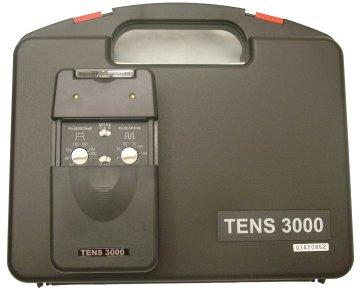


 The American Physical Therapy Association’s clinical practice guidelines for treatment of plantar fasciitis combine stretching, activity limitation, iontophoresis, night splints, and prefabricated or custom inserts.32 The American College of Foot and Ankle Surgeons recommends initial treatment with ice, stretching, ergonomics, off-the-shelf arch supports, nonsteroidal anti-inflammatory drugs, and corticosteroid injections, with progression to custom foot orthoses and physical therapy if little or no improvement after six months.33